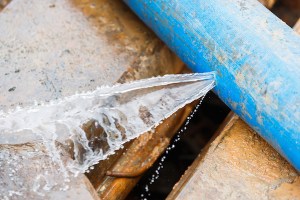
Dealing with leaky pipes can be a stressful situation for homeowners. However, with the right knowledge and precautions, it is possible to handle the issue effectively. Here are some steps to help you deal with leaky pipes:
1. Identify the source of the leak: The first step is to inspect visible pipes to determine where the leak is coming from. Look for water stains, wet spots, or drips along the pipes or walls. By pinpointing the source, you can focus your efforts on repairing that specific area.
2. Turn off the water supply: Once you have identified the source of the leak, it is crucial to turn off the water supply to the affected area. This will prevent further damage and reduce the risk of flooding. Locate the main shut-off valve in your home or the valve specific to the area where the leak is occurring. Turn it clockwise to close it fully.
3. Repair small leaks: Small leaks can often be fixed temporarily with plumber’s tape or pipe sealant. Wrap plumber’s tape tightly around the damaged area, overlapping it by a few inches on each side. This will create a waterproof seal, stopping the leak temporarily. Pipe sealant can also be applied to small cracks or holes as a quick-fix solution. However, remember to replace or repair the damaged section as soon as possible to prevent further problems.
4. Use repair couplings or call a professional plumber for larger leaks: If the leak is larger or if the pipe itself is damaged, it may require a more permanent solution. Repair couplings can be used to cut out the damaged section and join new pieces of pipe together. This method requires some plumbing knowledge and tools, so if you are unsure, it is best to call a professional plumber. They have the expertise to handle complex repairs safely and efficiently.
Safety precautions
Remember, safety precautions are of utmost importance when dealing with leaky pipes:
1) Always wear protective gear when handling leaky pipes, such as gloves and safety goggles. This will protect you from potential harm or contact with harmful substances.
2) Before starting any repairs, ensure that the electricity to the affected area is turned off to avoid any electrical hazards.
3) Use caution when using tools or climbing ladders to inspect or repair pipes, and always follow proper ladder safety guidelines.
4) If you are unsure about how to handle the situation or if the leak is extensive, it is recommended to seek professional help to avoid further damage or personal injury.
By following these steps and adhering to safety precautions, you can effectively deal with leaky pipes in your home. Remember, timely repairs are essential to prevent water damage, mold growth, and potential costly repairs down the line.
 HANDYSOLUTIONS